

Xtraice is a company based in Seville (Spain) that made it possible to ice skate in the middle of the desert or in the warmth of a tropical climate. Born far from freezing temperatures, this company not only transformed the concept of synthetic ice rinks and brought it to over 95 countries, but also became a global benchmark in eco-friendly winter leisure. This is the story of Xtraice, or how a company from Seville (Spain) became a global leader in eco-friendly synthetic ice.
It all began with Francisco Ortiz, an entrepreneur from Seville (Spain) who, after an eye-opening trip to Orlando, spotted a market opportunity in artificial ice skating rinks. What initially seemed like a technical curiosity became the seed of a disruptive company. With the founding of Xtraice S.L., Paco, as he preferred to be called, committed to an ambitious vision: creating a product that was more efficient, sustainable, and adaptable than anything existing on the market.
Along that journey, Antonio Vera became a key figure. His technical expertise made it possible to develop the first self-lubricating panel, protected by an international patent in 2006. This breakthrough marked a major turning point, clearly setting synthetic rinks apart from natural ice and positioning Xtraice as an innovation pioneer. The FSB trade fair in Germany served as the springboard that catapulted the brand onto the global stage.
International expansion was accompanied by external investment, new product lines such as curling and ice slides, and a generational succession led by Adrián Ortiz, the founder’s son. Under his leadership, Xtraice diversified its catalog, consolidated its footprint across the Americas and Asia, and redefined its manufacturing and distribution model by leveraging industrial outsourcing in Europe and the United States.

This article explores every stage of that evolution: from initial intuition to the corporate culture that defines Xtraice today. If you are curious to learn how a company from Andalusia (Spain) managed to glide toward success without real ice, read on. Unlike many business stories, Xtraice was not born from a revolutionary idea conceived in a garage, but rather from the pragmatic realization that market leaders had grown complacent. A textbook case of industrial disruption.
Francisco Ortiz, the Founder
Francisco Ortiz Domínguez (Seville, Spain, 1962), affectionately known to everyone as Paco, was born and raised in the neighborhood of Los Pajaritos in Seville (Spain), one of the most working-class and historically marginalized areas in Spain. Growing up alongside his five siblings in a household with limited financial resources, his father worked at the brewery for Cruzcampo, an iconic beer brand from Seville (Spain), while his mother, a homemaker, instilled in Paco both a strong work ethic and the mental resilience needed to stay the course when others doubted his vision.
This upbringing, marked by financial constraints yet rich in creative autonomy, became what Paco refers to as his “parallel university”. At just eleven years old, he launched a comic book exchange venture that generated a profit and set him apart from his peers. This early experience proved decisive: as he later reflected, he discovered that building a business and generating income created a compelling drive that would define his entire professional career.
Before founding Xtraice, Paco Ortiz built a diverse background across more than twenty companies. While working at the Almaraz and Cofrentes nuclear power plants in Spain, he gained technical expertise in advanced materials science, with a particular focus on next-generation plastic compounds. He subsequently founded an industrial supply company, Equipamientos y Servicios, which served as a licensed contractor for the 1992 Universal Exposition of Seville (Spain) (Expo ’92). Finally, he spent a decade as Director of Events at GPD (General de Producciones y Diseño), a subsidiary of the Acciona Group, gaining vital insights into the global leisure and entertainment industry.

Discovering the Opportunity
In 2002, while serving as Director of Events at GPD, Paco attended one of the most prominent trade shows in the global attractions industry: the IAAPA (International Association of Amusement Parks and Attractions) Expo, held annually in Orlando, Florida (United States). It was there that he came across a plastic panel designed for ice skating, a moment that proved to be a true revelation. He immediately realized that this innovation had the potential to become a highly compelling leisure concept for warm-weather cities around the world, such as Seville (Spain).
Paco reached out to the Canadian firm Viking Ice, which had been manufacturing synthetic ice since the 1990s, and secured exclusive distribution rights for its products in Spain and Portugal. In that first year, 2002, he sold only two rinks. However, those initial projects were enough to reveal a major design flaw under warm climatic conditions: Viking Ice’s synthetic ice was composed of a combination of plastic and wood core layers.
These materials exhibit vastly different thermal expansion and contraction coefficients. In warm cities like Seville (Spain), sharp temperature swings often occur between daytime high temperatures, which can easily exceed 35°C or 40°C in the summer, and cooler night hours. Under these fluctuations, the panels warped, distorted, and lost their performance characteristics, triggering repeated client complaints.
Paco not only submitted a detailed analysis of the underlying causes of the warping to the manufacturer, but also proposed concrete engineering solutions to address the issue. Viking Ice’s response was swift and dismissive: “We have been the market leader in synthetic ice for twenty years, and we achieved that with this product. It does not need improvement”. At that precise moment, Paco realized that “the market leaders had grown complacent with a product that was clearly sub-optimal”. The opportunity that others failed to recognize was crystal clear: to innovate precisely where the industry pioneers had ceased R&D efforts.
The Birth of Extraice S.L.
Although he did not fully understand the scope of the problem at the time, what he did know for certain was that a clear market opportunity existed. Without hesitation, in June 2003, he formally incorporated Extraice S.L. As the story goes, Paco intended to register the company under the name Xtraice, but a administrative misunderstanding led to the entity being legally filed as Extraice S.L. The commercial trade name, however, has always been Xtraice.
Regardless, Paco knew he was facing a major research and development challenge with no guarantee of success, yet he was prepared to bootstrap the venture using his personal assets. In fact, he had to convince his wife to remortgage their home. He was fully confident in his capacity to innovate and his deep understanding of the market.
Recognizing that he could not achieve this alone, Paco reached out to and partnered with key institutions that could provide the necessary technical support: the School of Mechanical Engineering at the University of Seville (Spain) and the CSIC (Spanish National Research Council), a multidisciplinary state agency under the Ministry of Science and Innovation of Spain. Had he possessed greater capital, he might have built an in-house R&D department; under his circumstances, however, seeking institutional research collaborations was the most strategic move.
Despite his determination, during the initial years he was forced to split his time between building Xtraice and maintaining his previous employment.

Antonio Vera: The Key Piece
Luck played its part in October 2004 when Antonio Vera joined the project. Toni, as he was known internally, was the missing piece of the puzzle, bringing both deep domain expertise and valuable contacts within the ice skating world.
Antonio Vera had been an international ice hockey player for the Spanish national team and, prior to joining Xtraice, served as the general manager of the Gasteiz Ice Club in Vitoria (Spain), as well as the technical director of winter sports for the Royal Spanish Winter Sports Federation. Furthermore, he held a degree in Physical Activity and Sport Sciences from the University of the Basque Country (Spain) and had completed an Executive Master’s in Supply Chain Management, Operations, and Logistics.
Toni’s arrival significantly accelerated product development. In addition to his firsthand understanding of how synthetic ice should perform from a skater’s perspective, Toni provided credibility and network connections across the international winter sports industry, an invaluable asset for product validation.
Thanks to Toni’s influence, professional athletes and industry experts were able to test the product and provide feedback, leading to substantial technical refinements. According to Francisco Ortiz, convincing Antonio Vera to join the venture was one of his most strategic moves: “He is the one who determines the product’s performance, how it feels on the ice, and whether it measures up”.
The February 2006 Patent
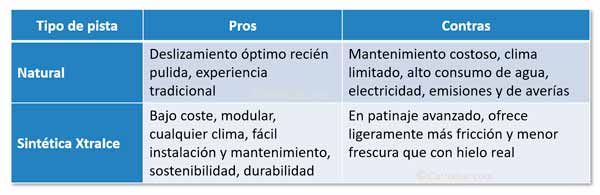
Following years of research, extensive testing, and endless trials, on February 27, 2006, Xtraice secured the patent for its eco-friendly synthetic ice panel system. The resulting product represented a radical departure from Viking Ice’s technology. The Xtraice panels were engineered from high-density polyethylene (HDPE) integrated with specially formulated additives. They were manufactured using a high-temperature compression molding process that, although approximately 40% more expensive than extruded alternatives, guaranteed superior durability and glide characteristics.
Each panel measured 2 meters by 1 meter, with a thickness of 2 centimeters and a weight of 38 kilograms. The most elegant innovation lay in the interlocking connection system between panels. It featured a tongue-and-groove design that provided perfect structural rigidity and ensured precise surface leveling, a crucial factor for the skater’s experience. This stood in stark contrast to competing synthetic panels, which were simply laid side by side, creating uneven edges and surface irregularities.
Crucially, the material was entirely wood-free, eliminating the main design flaw of the Canadian product. Furthermore, its greatest feature was a glide efficiency nearly identical to real ice, a technical milestone that Paco himself admitted came as a pleasant surprise: “I was the first to be astonished by the quality of the final product”.
The outcome was a synthetic rink delivering a performance profile matching natural ice at 95%. While this slight difference can be meaningful for high-performance competitive sports, for all other commercial uses, offering a marginally lower glide factor actually becomes an asset. Competing synthetic rinks on the market delivered a noticeably inferior skating experience compared to Xtraice, justifying the premium price point of Xtraice products.
Differences Between Natural and Synthetic Ice Rinks
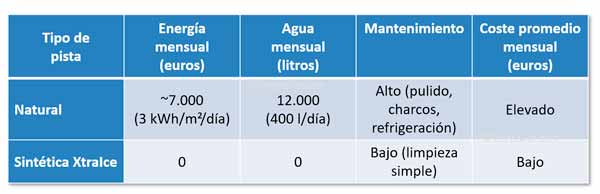
The traditional natural ice rinks commonly installed during the holiday season in parks and shopping centers are created essentially by freezing water and keeping it below sub-zero temperatures. Consequently, they require complex refrigeration units that must not only be thermally insulated from the ground, but also rely on a continuous supply of water and electricity.
In contrast, synthetic ice rinks, such as those made by Xtraice, are built using high-density polyethylene (HDPE) panels that are self-lubricated and individually compression-molded. They require no water or active cooling. According to Xtraice, their panels gradually release an internal lubricant during use, optimizing surface glide and making it nearly identical to natural ice.
While freshly surfaced natural ice provides a superior skating experience, keeping it in peak condition demands relentless maintenance. This involves the intensive use of specialized ice resurfacing machinery (such as Zambonis) to keep the surface smooth, alongside ongoing management of melted water runoff, continuous monitoring of the chilling plants, and chemical water treatment. Due to severe surface wear from heavy use, frequent intervention by specialized technical personnel is required to maintain operational standards.
To put this in perspective, beyond specialized labor and maintenance equipment, natural ice rinks require 75 liters of water per square meter to freeze an 8 cm layer of ice, an additional replenishment of roughly 400 liters of water per day (for a small 250 sq m / ~2,700 sq ft rink), and energy consumption of approximately 3 kWh per square meter daily. Running the numbers, this translates into around €7,000 per month in operational and maintenance costs for a small rink alone.
For synthetic ice rinks, maintenance is limited to routine surface cleaning to remove dust and debris. No resurfacing or polishing is required. Furthermore, panel repair or replacement, if ever needed, is straightforward and does not require specialized technicians.
Another distinct advantage is that synthetic ice rinks allow year-round skating in any climate or weather condition, both indoors and outdoors, with zero risk of meltwater puddles or condensation issues. The installation process is significantly faster and highly adaptable to custom shapes, dimensions, and even color options.
Finally, Xtraice synthetic ice is 100% recyclable, and its deployment, compared to traditional ice alternatives, saves hundreds of tons of $\text{CO}_2$ emissions and water per year, per installed rink. This is why Xtraice prefers to market them as eco-friendly ice rinks.
One small detail: the initial purchase price of synthetic ice rinks is distinctly higher than that of natural ice rinks.
The Takeoff: The FSB Trade Fair in Germany
Following the patent, Xtraice decided in 2005 to showcase its product at FSB (International Trade Fair for Public Space, Sport and Leisure Facilities), held biennially in Cologne, Germany. It proved to be their first major international breakthrough.
The result was electrifying. Both Paco and Toni returned from Germany with over 300 business leads interested in purchasing the product. “It was dizzying”, Toni would recall years later. Suddenly, they were faced with an overwhelming, unexpected success that would likely demand rapid organizational adjustments. However, after careful consideration, they opted for a measured, strategic approach.
Although they hired their first full-time employee, they chose to conduct deeper due diligence on the companies applying for distribution rights, while crafting a dedicated plan to leverage the product’s eco-friendly positioning in climate-conscious markets. Paco insisted: “At that stage almost everything was uncertain, but two things were crystal clear: the product had to be outstanding, and the brand had to be protected at all costs”.
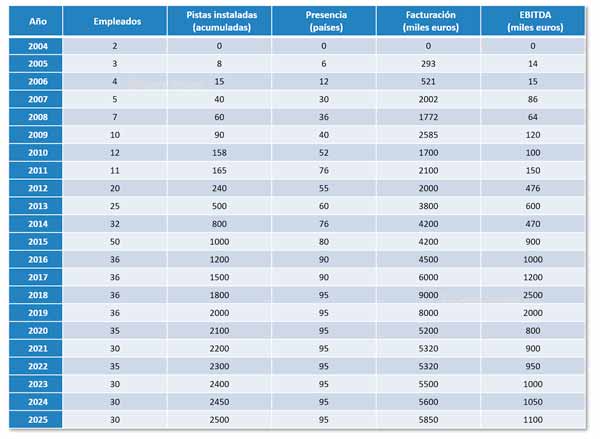
During this phase, Xtraice backed its strategy with support from Extenda (the Andalusian Trade Promotion Agency from Spain), which facilitated their presence at major international industry expos such as Big 5 in Dubai and the annual IAAPA Expo in Orlando. The years between 2006 and 2009 delivered accelerated growth in terms of revenue. While initial sales following the patent stood at €293,000, turnover surpassed €2 million by 2007 and topped €2.5 million in 2009. Despite these strong metrics, Francisco Ortiz did not leave his previous job to focus exclusively on Xtraice until 2007.
Beyond revenue expansion, the fundamental achievement of those early years was establishing international product credibility at global trade shows and scaling their distribution network.
The Creation of the Self-Lubricating Panel
Synthetic ice rinks have existed since the late 20th century. However, early iterations suffered from a noticeable difference in glide performance compared to natural ice. To address this issue, the multinational corporation DuPont developed a liquid lubricant applied directly onto the plastic surface to enhance glide. From that point onward, synthetic rinks, previously restricted to children’s entertainment, gained broader market acceptance. The drawback was that applying the liquid lubricant manually proved to be inconvenient, labor-intensive, and costly.
Xtraice pushed the boundaries of innovation further by introducing a sliding agent directly into the raw material formulation during the manufacturing process. As a result, their panels featured built-in lubrication, delivering a skating experience substantially closer to real ice without requiring manual lubricant application.
This breakthrough significantly boosted customer confidence in synthetic ice solutions. Almost overnight, Xtraice rinks emerged as a high-performance solution, matching the user experience of real ice across most applications while eliminating its ongoing operational expenditures. Introduced in 2008, this landmark achievement was branded as self-lubricating rinks.
For the company, self-lubricating technology commanded premium pricing, which substantially widened profit margins. This success reaffirmed, once again, the high return on investment driven by continuous R&D.
The Internationalization of Xtraice
One of the most significant milestones in the history of Xtraice came in 2009 when the company secured a contract with Disneyland Paris. The Xtraice rink was installed at the park’s Hotel New York, a flagship project that provided the brand with global visibility. Around the same time, Xtraice landed a contract with the Miami Panthers of the NHL (National Hockey League). This league, comprising franchises from the United States and Canada, is the most prestigious professional ice hockey league in the world.
Regarding this latter contract, Paco recalls: “The Panthers refused to meet with us. It occurred to me to tell the franchise manager that if he gave me 15 minutes, I would offer him $12,000, which was what it cost us to bring a rink over just for them to test. He admitted that no one had ever made him such a proposition and agreed to grant us those 15 minutes. One of their players tested the surface, and the next day they called us to discuss pricing. Today, they use it for training”.
Not only do they conduct professional training on these rinks, but a second one was also installed at the stadium entrance for public use. This dual installation for an NHL franchise served as an undeniable seal of approval for the global sports market.
To properly service the North American market, Xtraice opened a subsidiary branch in Miami in 2009, operating as Xtraice LLC. This was a crucial step in its internationalization strategy. With a lean operational structure in Florida, the company could directly manage relationships with distributors, installers, and clients in North America, its primary export market. It subsequently opened another office in Boston.
These initial international clients were soon followed by other prestigious installations, such as at the Legoland New York Resort, the Gateway Arch in Missouri, the City of Vernon (Texas), the iconic Ontario Place in Canada, and the Snow Dunes Theme Park in Doha. This was in addition to projects for numerous public institutions, including the city councils of Madrid (Spain), Brussels, and Lisbon.
Today, in addition to its global headquarters in Seville (Spain) and its US branch, Xtraice has established offices and commercial agreements across several European countries (France, Germany, the United Kingdom, Italy, Poland, and Portugal). The Latin American market is managed from its office in Mexico, while the Asian market is handled out of its Hong Kong branch. This extensive network enables the company, which sells its synthetic ice rinks in over 95 countries, to provide more direct and localized service to its global customer base.
Inflow of External Capital
Since Paco founded the company, all required financial effort had come out of his own pocket, reinvesting profits and securing loans from close friends. In 2012, Caixa Capital Risc created a specialized fund dedicated to industrial technologies named Caixa Innvierte Industria. One of its inaugural investments was acquiring a 20% stake in Xtraice for €800,000 via a capital increase in October 2012. As a result, Xtraice became the flagship portfolio company of this new venture capital vehicle, which was backed by the CDTI (Centre for the Development of Industrial Technology), an agency under the Spanish Ministry of Industry.
The entry of this institutional capital, beyond offering significant validation for Paco, was aimed at consolidating Xtraice’s global market leadership and fueling its expansion, particularly across key regions such as the United States and the Middle East. The company directed a substantial portion of these funds toward expanding its workforce, primarily boosting operations in the United States, Canada, and Europe. Notably, the US and Canada together account for roughly 80% of the global ice rink market.
Financial results for 2012 were exceptionally strong. In addition to expanding its footprint to 55 countries, the company generated an EBITDA (Earnings Before Interest, Taxes, Depreciation, and Amortization) of €475,910, setting an all-time record for the firm at the time.
Building on this momentum, in June 2013, Xtraice bolstered its growth operations with a €400,000 venture debt loan from ENISA (Empresa Nacional de Innovación S.A.). ENISA is a state-owned enterprise established by the Government of Spain to finance viable, innovative business ventures that typically face hurdles in securing traditional bank financing.
During this period, Xtraice earned two critical international standard certifications for operational management: ISO 9001 (Quality Management Systems) and ISO 14001 (Environmental Management Systems). These certifications underscored Xtraice’s commitment not only to technical excellence but also to environmental responsibility, a crucial differentiator across European markets increasingly focused on sustainability.
Venture capital funds such as Caixa Capital Risc invest in high-growth potential companies over a defined holding period (typically ranging between 3 and 7 years). Ultimately, in October 2017, CriteriaCaixa executed its planned exit strategy from Xtraice, divesting its equity stake. The Ortiz family, along with key executive team members, bought back the shares, thereby regaining full equity control of the company.
Generational Succession
Adrián Ortiz Rivera (Seville, Spain, 1984) is Paco’s son. He studied Business Administration and Management at Pablo de Olavide University in Seville (Spain) and completed an Executive MBA at Loyola University in Seville (Spain). Fluent in English and German, having completed his primary and secondary education at the German School of Seville (Spain), he has also pursued executive training, including a negotiation program at IESE Business School. In his early career, he demonstrated a strong entrepreneurial spirit by founding several business initiatives focused on events and advertising platforms between 2003 and 2011.
Given this background, his father identified him as the ideal successor. In June 2011, Adrián stepped into the role of CEO at Xtraice. Since then, he has served as the public face of the company across media outlets, international trade fairs, and innovation forums, playing a pivotal role in expanding the firm’s reach to over 95 countries.
Adrián Ortiz embodies a new generation of business leaders from Andalusia (Spain), defined by a global perspective and a commitment to innovation. While Paco remained Chairman and strategic visionary, Adrián took charge of day-to-day operations. This generational transition proved exceptionally effective, blending Paco’s experienced leadership with the agility and adaptability of a younger executive generation.
Alongside his duties at Xtraice, Adrián has maintained an active portfolio as an angel investor in startups such as Cervezas Albero, Mox, iUrban.es, Pyckio, LemonKey, Opensalud, Cocopi Food, and Hédonny, among others. He also serves as a lecturer at prominent business schools, including ESADE.
In addition to Adrián, Paco’s other son, Pablo, eventually joined the family business. After completing his studies and working for several years at external firms, Pablo joined Xtraice in 2009 as Logistics Manager. Since 2011, he has focused on business development across Latin America.
Whether directly related or coincidental, in 2012 the BBC broadcast a documentary on synthetic ice manufacturing featuring Antonio Vera as a leading expert who had successfully developed high-quality eco-friendly ice. The feature caught the attention of Swiss entrepreneur Viktor Meier, who reached out to Vera with a proposal to co-found a new venture in Switzerland: Glice. He extended an offer Vera could not turn down. Toni’s departure from Xtraice was a major setback for the company, not only because a core executive was leaving, but because he was joining a direct competitor.
Product Diversification
Thanks to its synthetic ice rinks, Xtraice had successfully positioned itself as a market benchmark with a strong international footprint. However, a core principle of entrepreneurship is scalability, and the team identified this opportunity by exploring new entertainment formats.
After evaluating the demand for complementary products across the leisure, event, and sports sectors, they gradually developed and launched the following product lines:
- Curling Rinks: Synthetic surfaces engineered specifically for curling, a sport where granite stones are slid across ice toward a target ring to land as close to the center as possible. These rinks were tailored for sports centers and event operators.
- Ice Hockey Rinks: Dedicated surfaces designed for ice hockey clubs, training academies, and professional events. Given the demanding requirements of the sport (player weight, high speeds, frequent sharp turns and stops), Xtraice developed a specialized, higher-tier surface named Sport. Its primary advantage over natural ice remains low operational maintenance.
- Figure Skating Rinks: Tailored specifically for figure skating disciplines. For shows and temporary events, they offered the major operational advantage of quick assembly and breakdown.
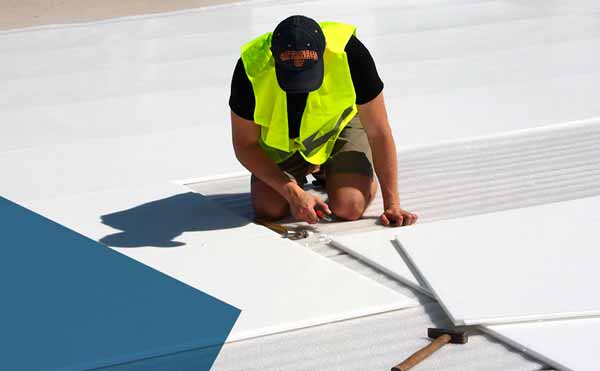
- Synthetic Ice Slides: Sloped structures spanning approximately 30 meters, available in three-lane and six-lane configurations, enabling children and adults to slide down on sleds.
- Interactive Rinks: Ice surfaces featuring projected interactive images that respond to skaters as they glide, unlocking new gamified entertainment systems.
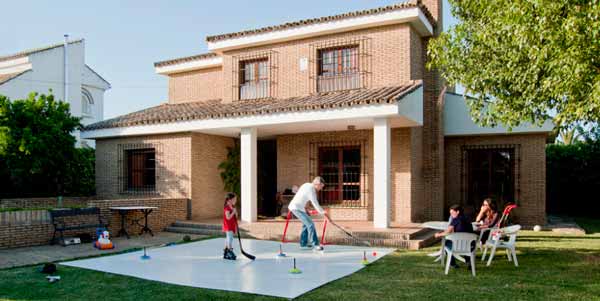
- Home Rinks: A product tailored primarily for the North American residential market, consisting of DIY kits to set up mini eco-friendly ice rinks (~15 square meters / ~160 sq ft) in backyards or indoor spaces.
- Skates and Accessories: Although standard skates work on Xtraice surfaces, the company engineered proprietary skates optimized for synthetic ice, featuring blades that retain their sharp edge up to 50 times longer. Additionally, Xtraice manufactures its own skate sharpeners as well as various dasher board systems for rinks.
These new product lines enabled Xtraice to position itself as a end-to-end provider of synthetic ice leisure solutions, consolidating its commercial presence across North America, Europe, Asia, and the Middle East.
Company Consolidation
After two decades of hard work, Xtraice has built a presence across all five continents. Although its primary markets include France, Italy, Spain, the United States, Canada, Russia, and China, the company maintains a significant footprint in diverse markets such as the United Arab Emirates, Brazil, Mongolia, and Singapore, serving clients in 95 countries.
Notable milestones include installing the world’s largest eco-friendly ice rink in Toki No Sumika, Japan (1,800 square meters / ~19,300 sq ft) and the world’s highest rink on the 94th floor of the John Hancock Center in Chicago (United States). These achievements enabled Xtraice to generate triple the revenue of its closest competitors, consolidating an undisputed market leadership position.
In Paco’s words: “We built the world’s largest eco-friendly ice rink in Japan, sold a rink to Disneyland Paris, and serve as an official vendor for the NHL’s Panthers. When you tell a prospective client to go test the surface at Surya Bonaly’s facility, or that the Panthers train on it, and that you are also in Disney, the entire dynamic shifts. We are the best because the best in the world say we are”.
The core drivers behind the company’s success lie in its steadfast commitment to R&D, an aggressive product diversification strategy (ice slides, curling, interactive rinks), and brand validation by top-tier reference clients such as Disneyland Paris and world-champion figure skater Surya Bonaly, who publicly endorsed Xtraice surfaces.
According to Francisco Ortiz, sustained success at Xtraice relies on “continuous improvement driven by research, development, and innovation”. Far from being a mere corporate tagline, this serves as a core operational principle: Xtraice consistently reinvests between 8% and 10% of its annual turnover into R&D.
When Xtraice entered the market in 2003, established North American competitors already possessed over two decades of operating history with mature products. However, to Xtraice’s advantage, those players had stopped innovating. Paco observed: “When an incumbent fails to push boundaries, it creates a massive market opportunity for its competitors”.
Over the years, Xtraice has earned multiple prestigious awards and accolades, including IAAPA Industry Awards (2007) for Best Entertainment Product and Innovation, the Extenda Alas Award (2010), the National Young Entrepreneur Award (2012–2013, presented by the Prince and Princess of Asturias, Spain), and the Andalucía Management Corporate Social Responsibility Award (2016).
By 2025, employing a team of 30 professionals, the company projected revenues approaching €6 million alongside EBITDA exceeding €1 million. Today, Xtraice maintains its position as the undisputed global leader in the eco-friendly synthetic ice sector, offering technical quality and performance standards that competitors have yet to replicate.
As Adrián Ortiz highlights: “Our ultimate vision is to make ice skating accessible to everyone, 365 days a year, whether in the middle of a desert or in Greenland. It requires zero infrastructure, just routine surface cleaning, exactly like any other flooring solution”.
Manufacturing and Commercial Strategy
Paco Ortiz always held a strong aversion to fixed overhead costs. This philosophy led him to design an organization with a lean internal structure in terms of both headcount and physical infrastructure. While Xtraice maintains full ownership of its manufacturing guidelines, proprietary chemical formulations, and material specifications, it outsources its entire production process to specialized industrial partners across Europe and the United States.
This strategy enables Xtraice to remain agile and flexible, responding rapidly to market shifts without the financial burden of capital-intensive manufacturing facilities. Simultaneously, it retains end-to-end control over product quality, trade secrets, and technological advancements.
On the commercial side, Xtraice initially built its go-to-market model around strategic distribution partnerships with key local players in target markets. However, operational experience revealed that certain distributors engaged in unethical practices, such as selling inferior competing surfaces under the Xtraice brand name. Between 2010 and 2011, Xtraice conducted a comprehensive audit of its distribution network, significantly streamlining its channel partners to safeguard brand equity. Today, the company operates regional offices across Europe, the Americas, and Asia.
Xtraice has a clearly defined customer segment breakdown:
- 80% of revenue is generated from commercial leisure operators, including theme parks, amusement parks, shopping malls, and hospitality chains.
- 15% of revenue comes from public and private entities focused on sports infrastructure, such as municipal councils, schools, universities, sports associations, and athletic clubs.
- 5% of revenue is derived from residential installations, including private homeowners and residential communities.
In addition to direct sales via its website and internal sales force, participation in major global trade fairs such as IAAPA or FITUR remains a vital lead-generation channel. Meanwhile, managing outsourced manufacturing, quality control, and global logistics continues to be a core operational activity coordinated from its corporate headquarters in Seville (Spain).
Xtraice’s synthetic surfaces are protected by an international patent and two utility models issued by the PCT and the Spanish Ministry of Science and Technology. The PCT (Patent Cooperation Treaty) is an international patent law treaty administered by the World Intellectual Property Organization (WIPO). Furthermore, independent technical reports from the CSIC (Spanish National Research Council) validate the material’s structural performance and environmental metrics. Additionally, organizations such as the Spanish Ice Hockey Association, IAAPA, and the Danish Skating Union have formally endorsed Xtraice products for athletic use.
Corporate Culture
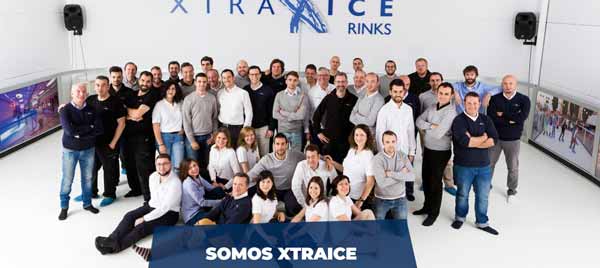
It may come as a surprise to learn that Xtraice fostered a rich cultural diversity from its earliest stages. Despite Paco Ortiz not being fluent in English, it was adopted as the company’s official operating language, enabling team members of various nationalities to collaborate effectively.
Another distinctive aspect of Xtraice’s organizational model is its implementation of a 35-hour workweek. Work is concentrated in morning shifts, with afternoon schedules remaining a rare exception. Paco Ortiz firmly believed that “the key lies in productivity, which should never conflict with work-life balance”.
While lean, the workforce undergoes structured, continuous training. Each employee has a professional profile detailing their skills, background, and training history, while every role is defined by a clear matrix of responsibilities and qualifications. The compensation model for office staff is fixed-salary based, whereas marketing professionals, business partners, and international subsidiary executives receive performance-based variable incentives.
Key Takeaways from the Xtraice Story
Xtraice is more than just a successful business; it serves as a textbook example of how identifying opportunities within seemingly mature markets, combined with rigorous innovation, uncompromised quality, and an environmental vision, can build a global market leader.
Paco Ortiz’s trajectory, moving from the working-class neighborhood of Los Pajaritos in Seville (Spain) to establishing an enterprise operating in over 95 countries, stands as a testament to the power of entrepreneurship as a driver of social mobility. Beyond the personal narrative, however, Xtraice represents a resilient business model capable of scaling globally, attracting international talent, navigating shifting economic cycles, and preserving its foundational commitment to innovation.
The legacy of Xtraice will continue to serve as a case study for future generations of entrepreneurs, not only for its commercial achievements, but for proving once again that global leadership can be built from humble beginnings. This is especially remarkable within a challenging technical sector, driven by an environmentally responsible product and a lean, human-centric organization.
At its core, Xtraice proves that when market leaders grow complacent, innovators step up.
Further Reading
This article has provided a summary of the story behind Xtraice. We hope you found it insightful. If you are seeking inspiration or are simply passionate about business, our blog features a wide range of related content. Please feel free to use the search tool located in the website header.
Additionally, here are a few other articles that might interest you: